Easy Crochet Shawls: Free Beginner Patterns to Make Today
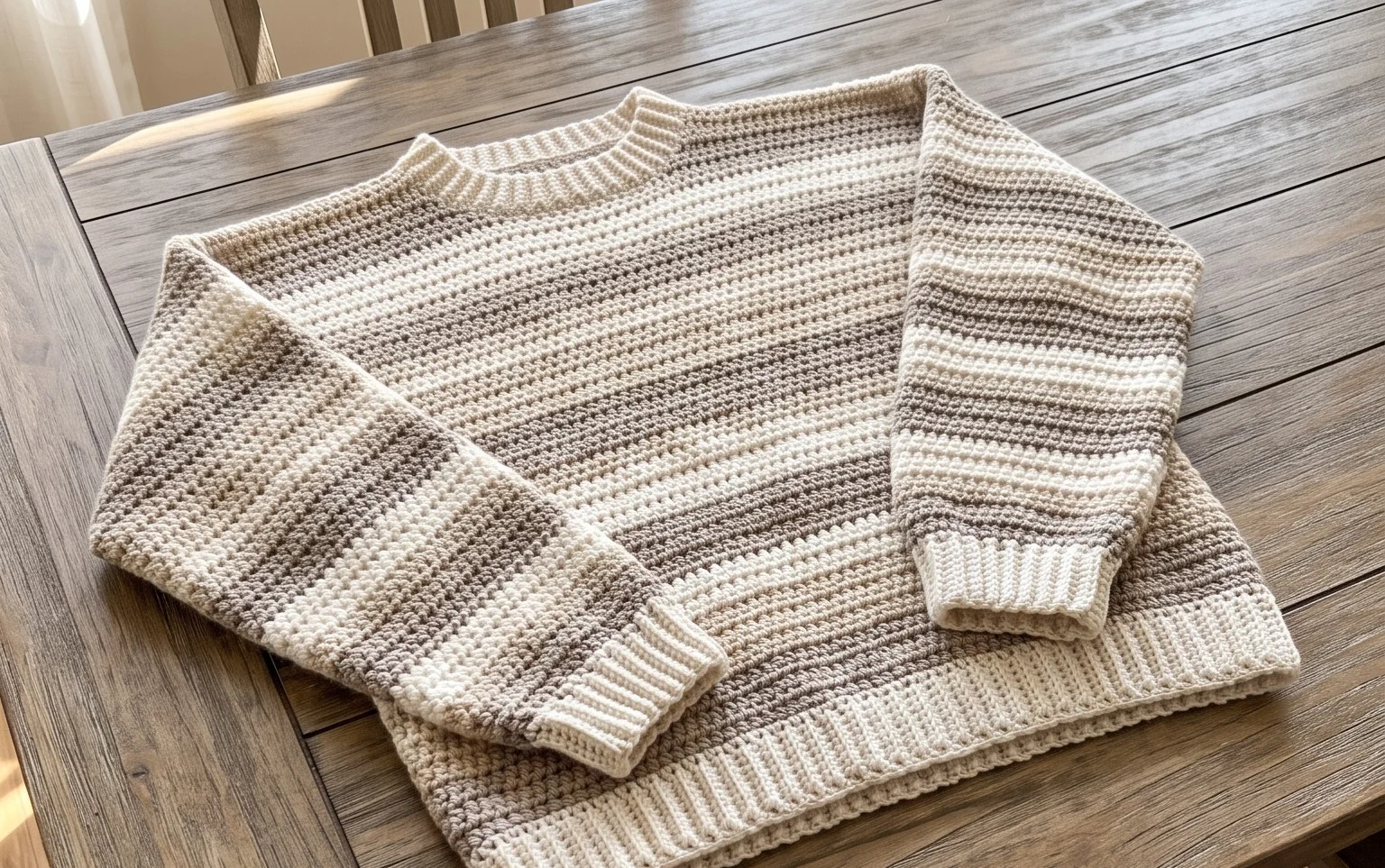
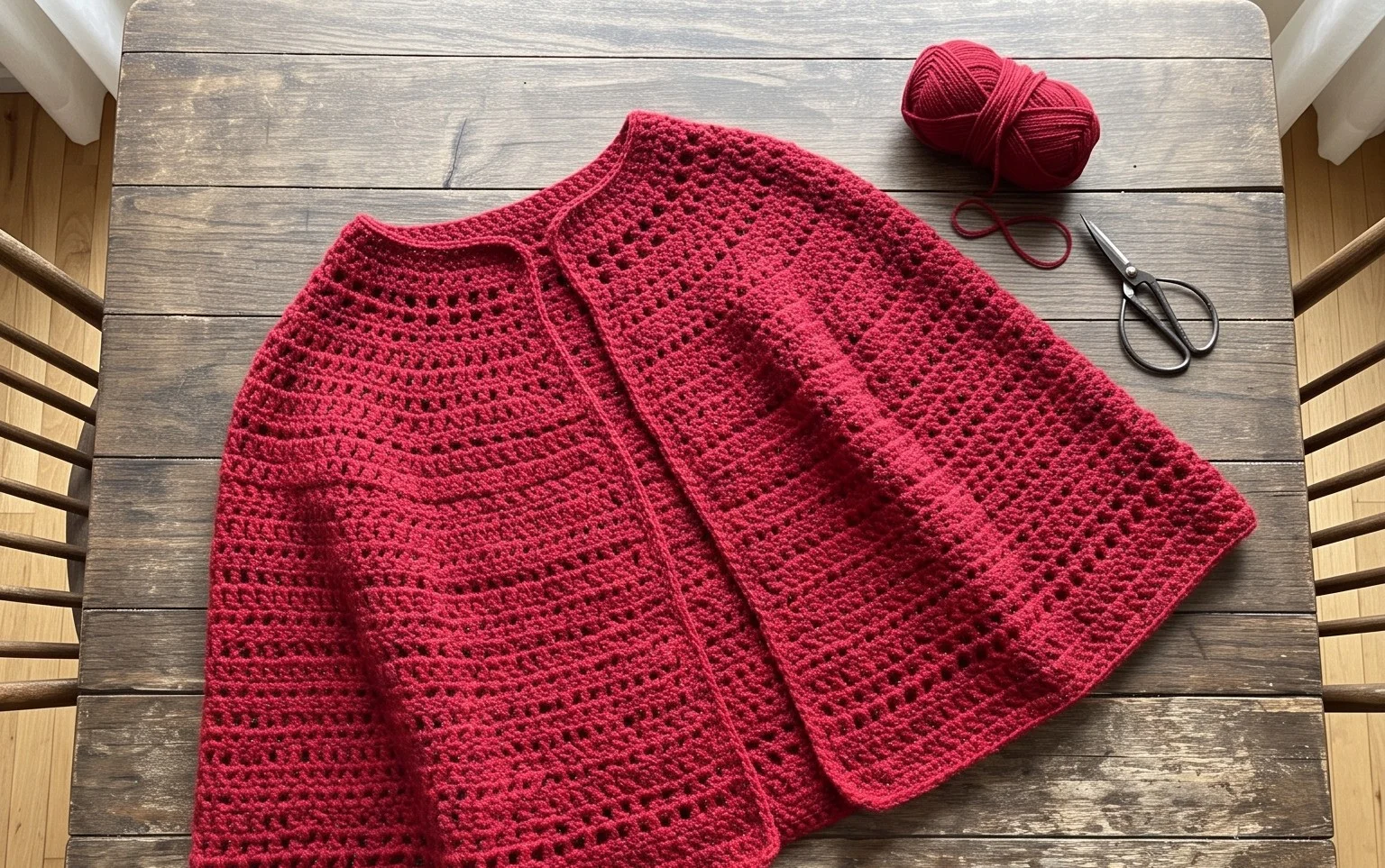
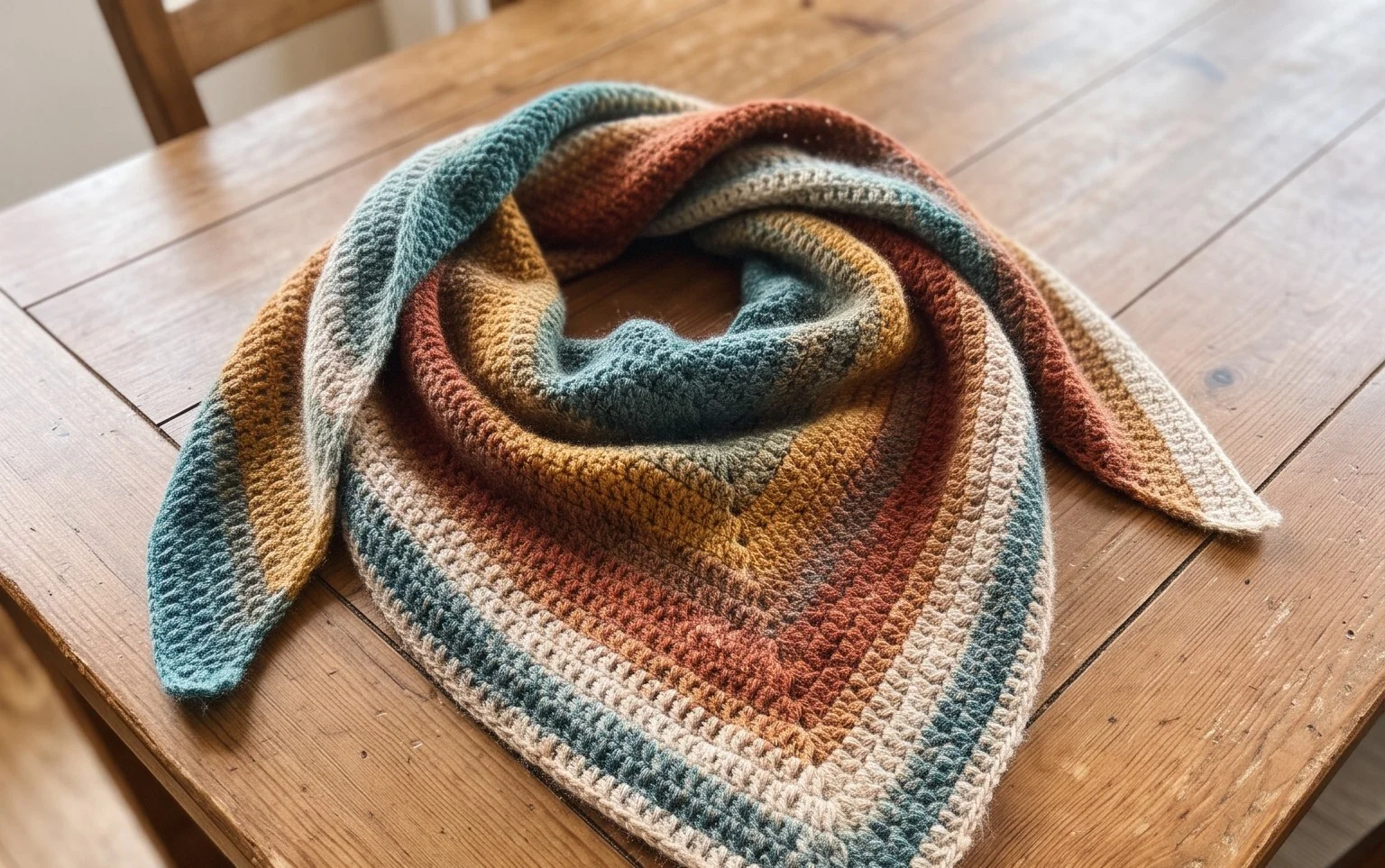
A handmade shawl wraps around your shoulders like a soft, comforting hug, providing just enough warmth for chilly evenings or breezy mornings spent on the porch. This specific project relies on simple double crochet stitches and basic increases, making it approachable for anyone who has just learned to hold a hook. You will find that watching the fabric grow row by row offers a quiet rhythm to your day, turning a single skein of soft wool into a versatile accessory. Whether you choose a classic triangular shape or a more modern crescent, these instructions help you create a finished piece that feels genuinely personal and well-crafted.
Why This Project Is Worth Making
This beginner-friendly project works up in under two hours, making it an ideal choice for last-minute handmade gifts. Using only basic single crochet stitches, it creates a firm, durable fabric that holds its shape well. The pattern is highly scrap-yarn friendly, as it requires less than one skein of standard worsted weight yarn. Because it is worked in continuous rounds, you avoid the hassle of joining rows, resulting in a seamless, professional finish that looks clean and polished.
I managed to finish this in one evening while watching a show. The instructions are very clear about where to place the stitches, which saved me from having to restart.
— Sarah, hobbyist crocheter
Pattern Overview & Skill Level
- Skill Level: Beginner
- Approximate Time: 1 to 2 hours
- Construction: Amigurumi-style continuous rounds, starting from a magic ring
- Finished Dimensions: 4 inches tall by 3 inches wide
Materials & Supplies Needed
- Yarn: Worsted weight (#4), 100% cotton, approximately 40 yards. Cotton yarn provides the necessary stiffness for the item to stand upright.
- Hook Size: 4.0 mm (US G-6). This size ensures a tight gauge so the stuffing does not show through.
- Notions: Tapestry needle for weaving in ends, a locking stitch marker to track the start of rounds, and polyester fiberfill for stuffing.
- Yarn Substitutions: Acrylic worsted weight yarn can be used, though the final item will feel slightly softer and may require a smaller hook (3.5 mm) to maintain the same density.
Stitch Guide & Abbreviations (US Terms)
- MR: Magic ring
- ch: Chain
- sc: Single crochet
- inc: Increase (work 2 sc in the same stitch)
- dec: Decrease (sc2tog, inserting hook into the front loops of the next 2 stitches)
- st(s): Stitch(es)
- sl st: Slip stitch
Step-by-Step Pattern Instructions
Main Body
- Rnd 1: Work 6 sc into a magic ring (6 sts)
- Rnd 2: Work 2 sc in each st around (12 sts)
- Rnd 3: [1 sc, inc] 6 times (18 sts)
- Rnd 4: [2 sc, inc] 6 times (24 sts)
- Rnd 5: [3 sc, inc] 6 times (30 sts)
- Rnd 6-12: Sc in each st around (30 sts)
- Rnd 13: [3 sc, dec] 6 times (24 sts)
- Rnd 14: [2 sc, dec] 6 times (18 sts). Begin stuffing the body firmly at this point.
- Rnd 15: [1 sc, dec] 6 times (12 sts)
- Rnd 16: Dec 6 times (6 sts)
Finishing
Cut the yarn leaving a 6-inch tail. Thread the tail through your tapestry needle and weave it through the front loops of the remaining 6 stitches. Pull tight to close the hole securely and knot the yarn inside the body before snipping the excess.
Care & Washing Instructions
- Hand wash in cold water using a gentle detergent to prevent the fibers from stretching.
- Lay the piece flat on a towel in a shaded area to air dry completely.
- Reshape the item with your hands while it is damp to ensure it retains its original structural integrity.
Pro Tips & Common Mistakes to Avoid
Maintain consistent tension by wrapping the yarn around your index finger twice to create enough drag. Always place a stitch marker in the first stitch of every round to avoid losing your place, which is the most common mistake for beginners. When weaving in ends, pass the needle through the center of the stuffing rather than across the surface to hide the tail invisibly. To adjust the size, add or subtract stitches in your increase rounds, but remember that changing the width will require more yarn and could affect the height of the piece.
Frequently Asked Questions
Can I use a larger hook if my hands hurt?
You can use a larger hook, but keep in mind that the fabric will become loose and the polyester stuffing will be visible between your stitches.
Is this pattern suitable for children?
Yes, but ensure you do not use small buttons or beads for facial features if the item is intended for a young child, as these can pose a choking hazard.
How do I keep my rounds from spiraling?
This pattern is designed as a spiral, which is standard for amigurumi. If you want a perfectly flat seam, you would need to join every round with a slip stitch, though this will create a visible line.
Am I allowed to sell items made from this pattern?
Yes, you may sell items created from this pattern. I ask that you credit the designer in your product listings to help others find the source.
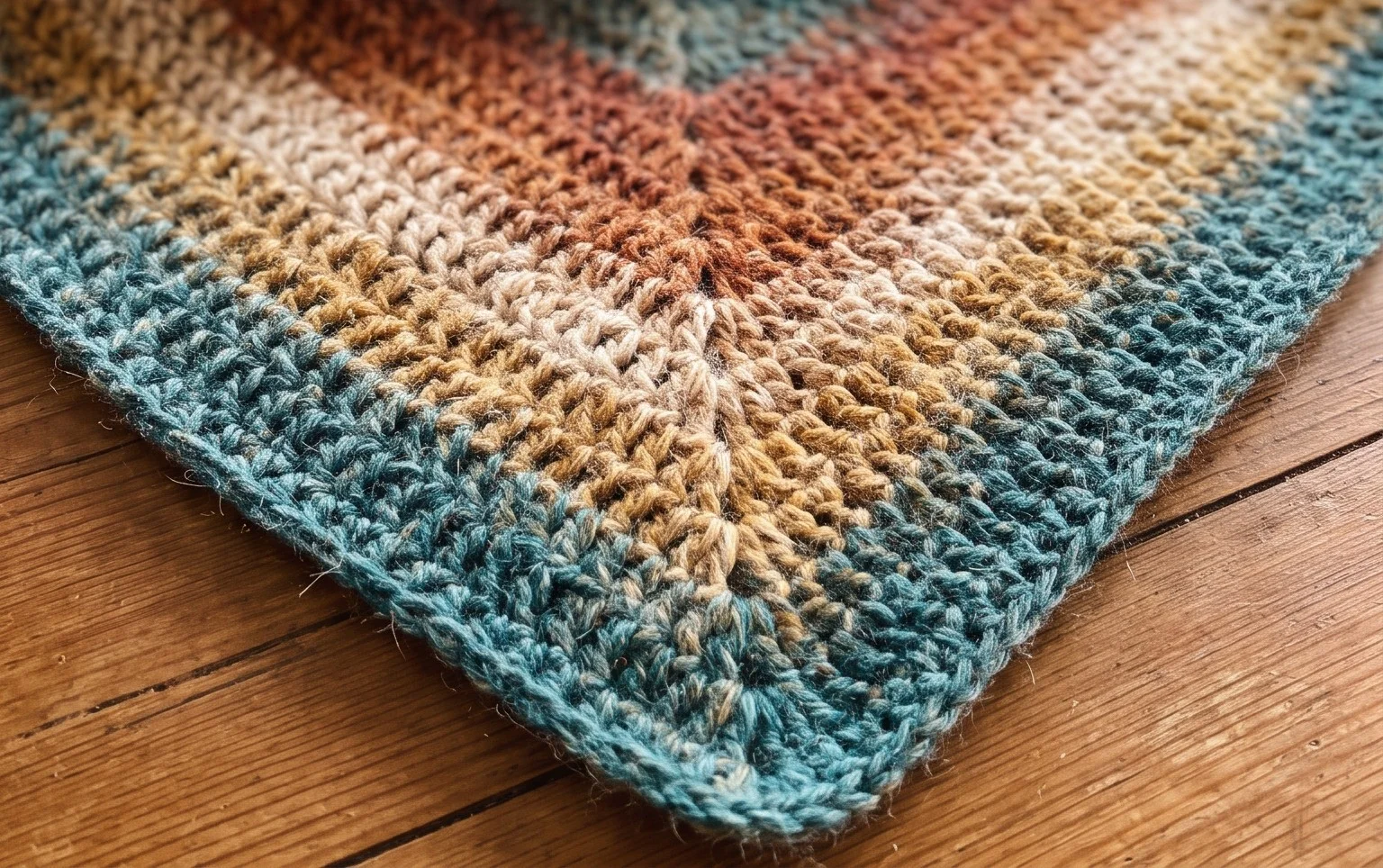
Seeing your finished shawl draped over the back of a chair is a rewarding reminder of the time you spent creating something useful with your own hands. You might experiment with adding a row of fringe along the bottom edge or using a variegated yarn to give the fabric a completely different look. Please consider sharing a photo of your work on your favorite social media platform so others can see your progress. Feel free to browse through the rest of the blog for more free patterns to start your next creative project.